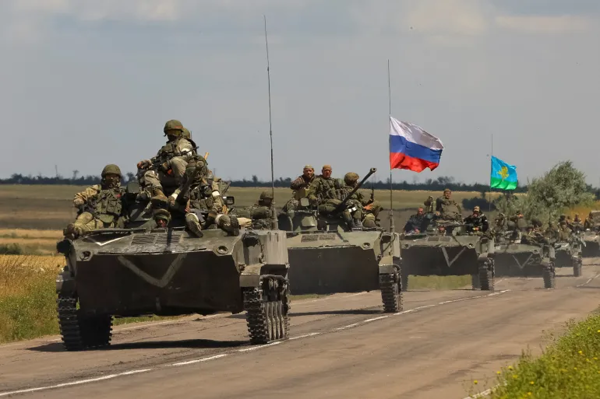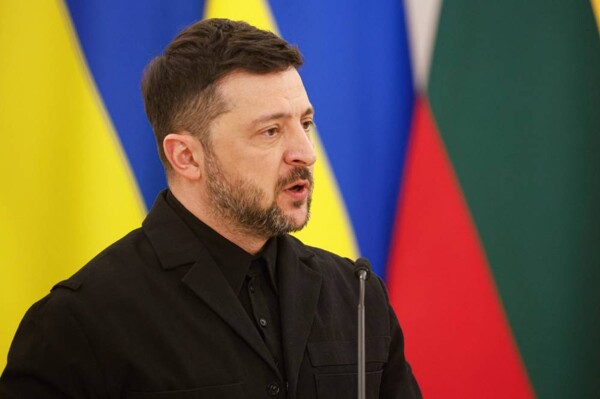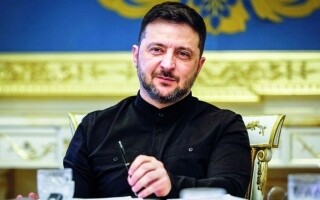
Russia is preparing to advance towards central Ukraine in the spring, when Ukraine will be in a vulnerable position in terms of military power and infrastructure. It seems the Russian army is advancing in line with the Kremlin's calculations regarding the time it will take for Kyiv's financial resources to run out. Western support will evaporate, and the defense of Kyiv will increasingly be pushed down the strategic priority list of all European countries suffering from economic troubles. One might think otherwise when listening to political speeches claiming that Europe must defend its values and its right to choose its destiny, as stated by the President of the European Commission, Ursula von der Leyen, or when observing the results from military or diplomatic battlefields. American sanctions against Russia target two of the largest oil producers, Rosneft and Lukoil, which are the economic engine of Russian President Vladimir Putin. Ukraine has enough funding to last until the end of the first quarter of next year to fight its existential war and maintain its war-weary state. Who will foot the bill for this war in this case? Belgium, after reviewing the details, realized that the bulk of the bill might fall on it, as Russian assets are deposited in the Belgian 'Euroclear' bank, so there is no room for its agreement, as it would be the biggest loser. And why is there no a common European guarantee and risk-sharing, since the war in Ukraine is being classified as the most important security problem facing the continent? This was strongly rejected. Von der Leyen's strong statements dodge the critical question facing the West: is there anything worth fighting for in this protracted war that has yielded no result? The new American sanctions on Russia aim to disrupt a key source of Moscow's export earnings, but they won't prevent it from setting up new shell companies, which makes these sanctions completely ineffective. In fact, news of the sanctions has led to higher oil prices, and the attack on the Russian dam also had a strong impact, like many other Ukrainian air strikes over the past three years, but it will likely not have a decisive impact on the course of the war between the two countries. The Ukrainian army's spokesman described it as a useful way to increase the number of Russian prisoners of war for a future exchange, which doesn't seem like a military victory on the horizon. The coming winter season will witness more intense Russian attacks on what is called the 'Ukrainian belt of fortifications' on the eastern front, causing severe damage to Ukraine and its army. If a way is found to transfer this entire amount to Ukraine, it can continue to fight against the Russian offensive and stand firm. But the Kremlin sees the transfer of this money to Ukraine as illegal and has filed lawsuits against the West demanding the cessation of this illegal practice. Furthermore, if the EU's move can be understood as compensation for the damage inflicted on Ukraine, which Putin rejects, as he wants to emerge from this war as a recognized victor. How can the European taxpayer be burdened with Russian compensations that will never be paid in these difficult times. In this difficult debate lies the essence of 'European war fatigue.' I hope it is not so, but the numbers indicate otherwise. The funds that keep Ukraine armed, healthy, and warm are becoming increasingly scarce. Europe is in no mood to pay compensation or even agree on a joint assessment of war damages. The EU commits that it can support Ukraine's financial situation to prevent state collapse for a year or two, but there is not a single far-right party in Europe, whether in government or in opposition, that currently agrees to this. The Russian calculations seem clear: use their newly developed expertise in drone warfare to make this winter a hell for Ukrainians, destroying energy infrastructure, railway stations, and residential complexes, in the hope of 'inciting' the people against the Zelensky government and pushing it into an unfavorable settlement, considering it has few options left in the face of difficult battlefield results and war damage. This may, from Putin's perspective, hide Russia's losses, perhaps 150,000 killed, in exchange for gaining a small piece of Ukrainian land. Ukrainian attacks on Russian oil and gas facilities somewhat balance the situation and make the winter cold and miserable for Russians as well. Given that the war seems to be heading towards its last 150 days, its costs will not be measured in the billions of euros being lost, but rather in the sight of cities in both Russia and Ukraine, filled with strong men, unemployed, listening to the speeches of revanchists, perhaps addicted to tranquilizers, and hating their leaders. There will be no winter miracles in Eastern Europe, but we must prepare for peace, which will not be beautiful. Like others in the West, I remain interested in the Ukrainians' insistence in their long and brilliant fight against the Russians, but as winter approaches, it seems this will be the last season of the war being fought by Ukrainian President Volodymyr Zelensky. If these defensive lines begin to collapse, then the path will be clear for Russian soldiers to move towards central Ukraine. The goal of the military mobilization that Moscow carried out in 2025 allows for the deployment of 350,000 Russian soldiers who have signed time-limited contracts, many of whom are still in training. The military plan appears to require opening a front in eastern Ukraine, as several hundred Russians have been seen in Ukrainian-controlled Pokrovsk working to detect drones, kill their operators, and facilitate the army's advance. It appears that the leaders of European countries are about to agree to provide a loan to help Ukraine, based on 150 billion euros from Russian assets frozen since the early days of the war. The EU uses the interest from these funds to contribute three billion euros annually to help Ukraine in its war. A Ukrainian drone struck the Belgorod dam in southern Russia, resulting in the isolation of a large number of Russian soldiers inside Ukraine. Despite everything mentioned, it does not change the course of the war, which does not bode well for the Ukrainians. *Rogers Boyce, a columnist for 'The Times'.*